
Inflation Explained: How Rising Prices Affect Savings, Wages and Borrowing
Inflation changes what your money can buy. Learn what causes prices to rise, how central banks respond and practical ways households can protect their purchasing power.
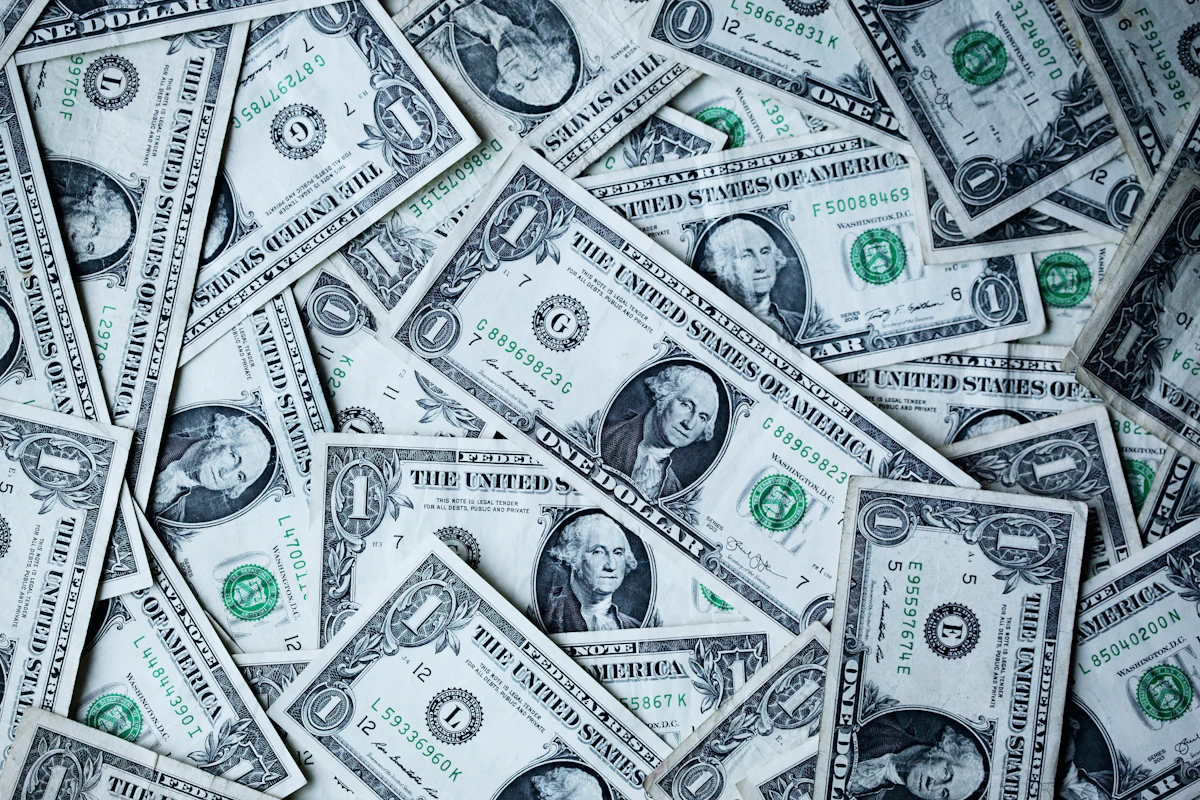
Neovox Intelligence special coverage visual.
Key Takeaways
- Critical developments tracked across strategic sector stakeholders.
- Quantitative assessment derived from institutional reporting feeds.
- Policy and macroeconomic trajectory updates for global market participants.
When people say "everything costs more," they are describing inflation: a sustained increase in the general level of prices across the economy. A little inflation is considered normal in healthy economies, but when prices rise quickly the effects can touch every household budget. This guide explains what drives inflation and what it means for ordinary people.
How inflation is measured
Statistical agencies track the price of a representative "basket" of goods and services, including food, housing, transportation, healthcare and entertainment. The change in that basket's cost over time is reported as an inflation rate, most commonly through a consumer price index (CPI). Because the basket is an average, your personal inflation experience may be higher or lower depending on what you spend money on.
What causes inflation?
Demand-pull inflation
When consumers, businesses and governments want to buy more than the economy can produce, sellers can raise prices. Strong demand paired with limited supply is the classic recipe.
Cost-push inflation
When the cost of inputs such as energy, raw materials, shipping or labor rises, businesses often pass those costs on to customers. Supply disruptions can intensify this effect.
Expectations
If people expect prices to keep rising, workers ask for higher wages and businesses raise prices in advance, which can make inflation self-reinforcing.
How central banks respond
Central banks such as the Federal Reserve or the European Central Bank use interest rates as their main tool. Raising rates makes borrowing more expensive, which cools spending and investment and eases price pressure. Lowering rates does the opposite and is used to support growth. Changes take time to filter through the economy, which is why policy decisions are closely watched.
How inflation affects you
- Savings: cash loses purchasing power when the interest it earns is lower than inflation. This is called a negative real return.
- Wages: if pay does not keep pace with prices, real income falls even when your salary number stays the same or rises slightly.
- Borrowing: fixed-rate debt can become easier to repay in real terms, while variable-rate loans may become more expensive as interest rates rise.
- Retirees: people on fixed incomes are particularly exposed unless their pensions are indexed to inflation.
Practical ways to protect purchasing power
- Review your budget regularly to spot categories where costs are rising fastest.
- Compare savings rates. Some accounts and government-backed inflation-linked instruments are designed to track price changes.
- Diversify investments. Assets such as equities, real estate and inflation-linked bonds have historically behaved differently in inflationary periods, though none are guaranteed.
- Negotiate and upskill. Growing your earning power is one of the most reliable inflation defenses.
- Be careful with variable-rate debt when interest rates are rising.
Inflation, deflation and disinflation
These terms are often confused. Disinflation means prices are still rising but more slowly. Deflation means the general price level is falling, which may sound pleasant but can signal weak demand and encourage consumers to delay spending.
Key takeaways
Inflation is not just a headline statistic; it shapes the real value of your income, savings and debts. Understanding its causes and the tools policymakers use helps you make better financial decisions and protect your long-term purchasing power.
This article is for general information only and is not personalized financial advice.
Alexander Vance
Editor-in-Chief at Neovox Media. Reporting on tech innovation, artificial intelligence, and global market dynamics.


Reader Perspectives (0)